

Improvement of Bristle Bonding Strength Between Fiber and Brush Ferrule
Enhancing Bristle Bonding Strength: Key Innovations in Fiber-Ferrule Adhesion for Cosmetic Brushes
In the cosmetic brush industry, bristle bonding strength between fiber and ferrule is a critical quality metric that directly impacts product durability, user experience, and brand reputation. A weak bond often leads to bristle shedding, reduced brush lifespan, and customer dissatisfaction—issues that manufacturers strive to eliminate through continuous technological advancements. This explores the latest innovations and practical strategies to improve fiber-ferrule adhesion, addressing material science, adhesive technology, and process optimization.
The Significance of Bristle Bonding Strength
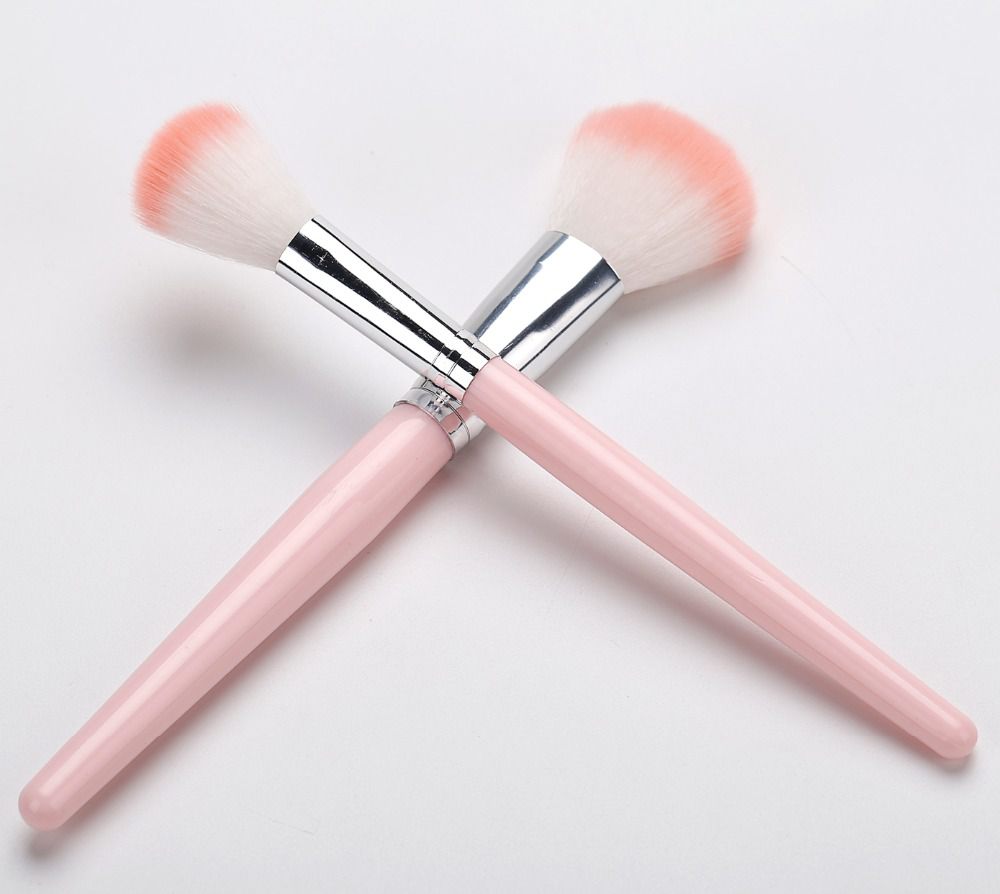
Cosmetic brushes rely on a strong connection between synthetic or natural fibers and the metal ferrule (the cylindrical component that holds bristles and attaches to the handle). A robust bond ensures bristles remain intact during repeated use, cleaning, and exposure to cosmetics (e.g., creams, liquids, powders). For consumers, a brush with minimal shedding is a mark of quality; for brands, it reduces returns and builds trust. Thus, enhancing bonding strength is not just a manufacturing goal but a competitive necessity.
Common Challenges in Fiber-Ferrule Adhesion
Traditional bonding methods often face limitations. For instance, synthetic fibers like nylon or PBT (polybutylene terephthalate) have smooth surfaces, reducing adhesive grip. Natural fibers, while porous, may vary in texture, leading to inconsistent bonding. Additionally, conventional adhesives (e.g., solvent-based glues) may degrade under moisture or temperature changes, weakening the bond over time. Poor process control—such as uneven glue application or insufficient curing—exacerbates these issues, resulting in bristle looseness.
Innovations Driving Improved Bonding Strength
1. Fiber Surface Modification
Advancements in material science have focused on enhancing fiber surface roughness to improve adhesive anchoring. Techniques like plasma treatment and chemical etching create micro-porous structures on synthetic fibers, increasing surface area for adhesive contact. For example, a 2023 industry study showed that plasma-treated PBT fibers increased bonding strength by 35% compared to untreated fibers, as the modified surface allowed adhesives to penetrate and form stronger mechanical interlocks.
2. High-Performance Adhesives
The shift to eco-friendly, durable adhesives has been a game-changer. UV-curable adhesives, for instance, offer rapid curing (in seconds under UV light) and excellent resistance to moisture and cosmetics. Polyurethane-based adhesives, known for flexibility and chemical stability, are now preferred for their ability to withstand repeated bending of bristles without cracking. These adhesives also bond well with both metal ferrules and modified fibers, creating a cohesive interface.
3. Precision Manufacturing Processes
Automation has revolutionized ferrule-fiber assembly. Modern植毛 (bristle planting) machines use computer-controlled pressure and depth settings to ensure uniform bristle insertion into the ferrule. Post-planting, heat-curing ovens with programmable temperature profiles optimize adhesive cross-linking, eliminating weak spots. For example, a leading manufacturer reported a 40% reduction in bristle shedding after adopting automated glue dispensing and precision curing, as human error in manual processes was minimized.
Industry Trends and Future Outlook
As consumer demand for sustainable and long-lasting beauty tools grows, manufacturers are integrating biodegradable fibers and low-VOC (volatile organic compound) adhesives into bonding processes. Additionally, AI-driven quality control systems—using machine vision to inspect bond integrity—are becoming standard, ensuring only brushes with optimal adhesion reach the market. These trends not only improve bonding strength but also align with global sustainability goals, appealing to eco-conscious consumers.
Conclusion
Improving bristle bonding strength between fiber and ferrule is a multifaceted endeavor, combining material innovation, adhesive technology, and precision manufacturing. By addressing surface compatibility, adopting advanced adhesives, and leveraging automation, manufacturers can produce cosmetic brushes that meet the highest durability standards. As the industry evolves, prioritizing bonding strength will remain key to delivering products that satisfy consumers and drive brand success.


