

Brush Industry Talent Training Programs Improve Bristle Craftsmanship
Brush Industry Talent Training Programs Elevate Bristle Craftsmanship Standards
The global brush industry, a cornerstone of sectors like cosmetics, art, and industrial manufacturing, is experiencing a transformative shift driven by talent training programs. As consumer demand for high-quality, durable, and sustainable brushes grows—particularly in the cosmetic segment, where precision and softness directly impact user experience—traditional bristle craftsmanship faces the dual challenge of preserving heritage techniques and integrating modern innovation. Talent training initiatives have emerged as the key solution, bridging skill gaps and elevating craftsmanship to meet evolving market needs.
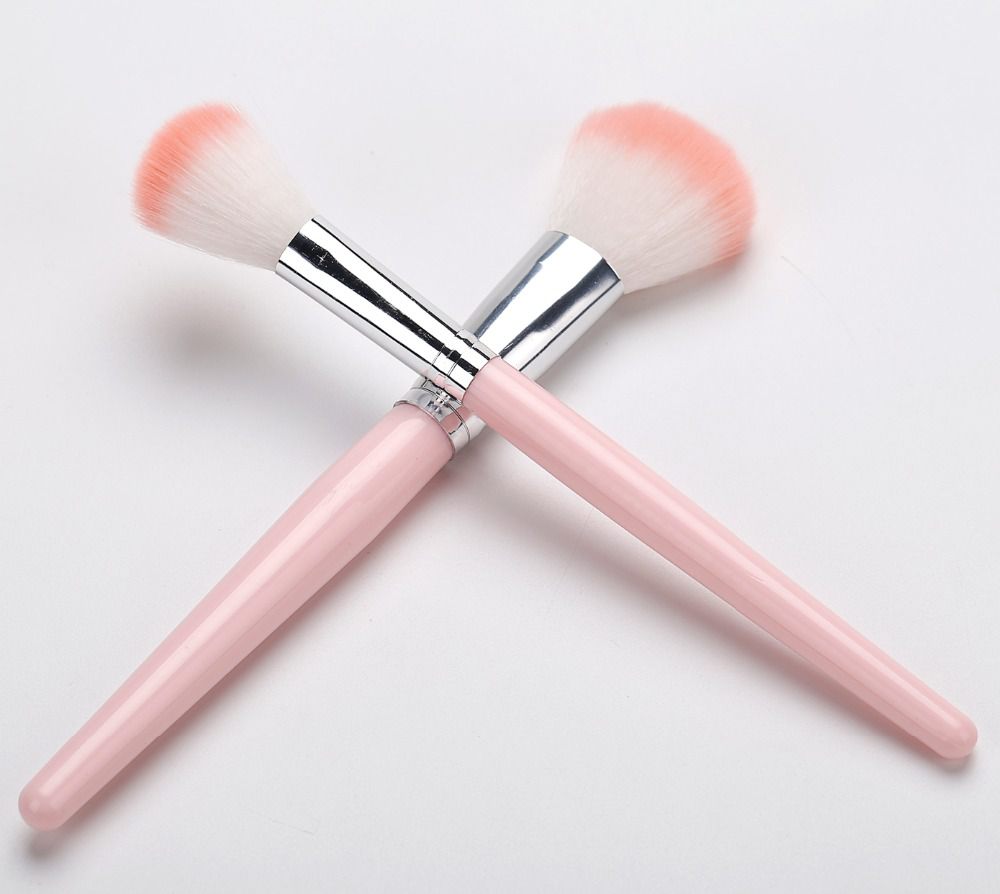
At the heart of these programs lies a focus on technical depth. Unlike generic vocational training, brush industry-specific programs dive into the science of bristle materials: from natural fibers like goat hair and pony hair, valued for their softness and ability to hold pigments, to synthetic alternatives such as nylon and polyester, engineered for durability and cruelty-free appeal. Trainees learn to assess fiber quality—evaluating elasticity, uniformity, and resistance to wear—through hands-on workshops with microscopy tools and tensile strength testers. This expertise ensures that only the highest-grade materials enter production, directly improving the final product’s performance.
Practical skill development is equally critical. Traditional bristle processing, once reliant on manual dexterity passed down through generations, now integrates precision machinery. Training programs combine time-honored techniques, like hand-sorting bristles to remove inconsistencies, with modern manufacturing processes such as automated trimming and heat-setting. For example, a leading brush manufacturer in China’s Yangzhou region, a hub for brush production, partnered with local technical schools to design a 12-week program where students master both hand-tufting (a method for securing bristles in brush heads) and computer-aided design (CAD) for custom bristle patterns. Graduates of such programs report a 30% reduction in production errors, as they balance artisanal care with technical accuracy.
Innovation is another pillar of these training initiatives. As sustainability becomes a non-negotiable consumer demand, programs emphasize eco-friendly practices, such as developing biodegradable synthetic bristles or repurposing waste fibers. Trainees experiment with plant-based polymers and learn to optimize water and energy use during bristle washing and sterilization. Additionally, advanced modules on quality control—including AI-driven defect detection systems—equip workers to identify micro-flaws in bristle alignment or texture, ensuring brushes meet strict international standards (e.g., EU cosmetic safety regulations).
The impact of these training programs is tangible. Manufacturers that invest in talent development report higher customer retention, as improved bristle craftsmanship translates to brushes that last longer and deliver superior results. For instance, a cosmetic brush brand that implemented a in-house training program saw a 25% increase in repeat purchases after launching a line of brushes with “trained-crafted” bristles, marketed for their consistent softness and pigment pickup. Beyond product quality, these programs address the industry’s aging workforce by attracting young talent, ensuring the continuity of specialized skills.
Looking ahead, the brush industry’s reliance on talent training will only deepen. As technology advances—with 3D printing for brush heads and nanotechnology for bristle surface treatments on the horizon—programs must adapt to teach cutting-edge techniques. By merging tradition with innovation, these initiatives are not just improving bristle craftsmanship; they are redefining the industry’s future, ensuring it remains competitive, sustainable, and capable of meeting the demands of tomorrow’s consumers.


