

Bristle Heat Resistance: Testing Brushes for Use with Hot Shaving Creams
Bristle Heat Resistance: Testing Brushes for Use with Hot Shaving Creams
As the popularity of hot shaving creams continues to rise among grooming enthusiasts, the demand for shaving brushes that can withstand elevated temperatures has become a critical focus for manufacturers. Hot shaving creams, typically heated to 40–60°C (104–140°F), soften facial hair and open pores, enhancing the shaving experience—but this heat poses unique challenges to brush bristles. Without proper heat resistance, bristles may warp, lose elasticity, or even shed, compromising both performance and longevity. For manufacturers, rigorous heat resistance testing is no longer optional; it is a cornerstone of delivering reliable, premium shaving tools.
The Importance of Heat Resistance in Shaving Brushes
Modern consumers prioritize durability and functionality, especially in high-end grooming products. A shaving brush that degrades after repeated use with hot cream not only frustrates users but also damages brand reputation. Heat affects bristles at a structural level: natural fibers like badger or boar hair contain proteins that can denature under sustained heat, leading to brittleness, while low-quality synthetic fibers may melt or distort. For brands aiming to stand out, proving bristle heat resistance through transparent testing builds trust and differentiates products in a crowded market.

Key Testing Methods for Bristle Heat Resistance
Effective heat resistance testing involves simulating real-world conditions to evaluate bristle performance. At our facility, we employ three core protocols:
1. Temperature Cycling Test: Bristles are exposed to 50°C (122°F)—the average temperature of hot shaving cream—for 30 minutes, followed by cooling to room temperature (25°C/77°F) for 10 minutes. This cycle is repeated 50 times to mimic months of regular use. Post-test, we check for bristle warping, discoloration, or loss of shape.
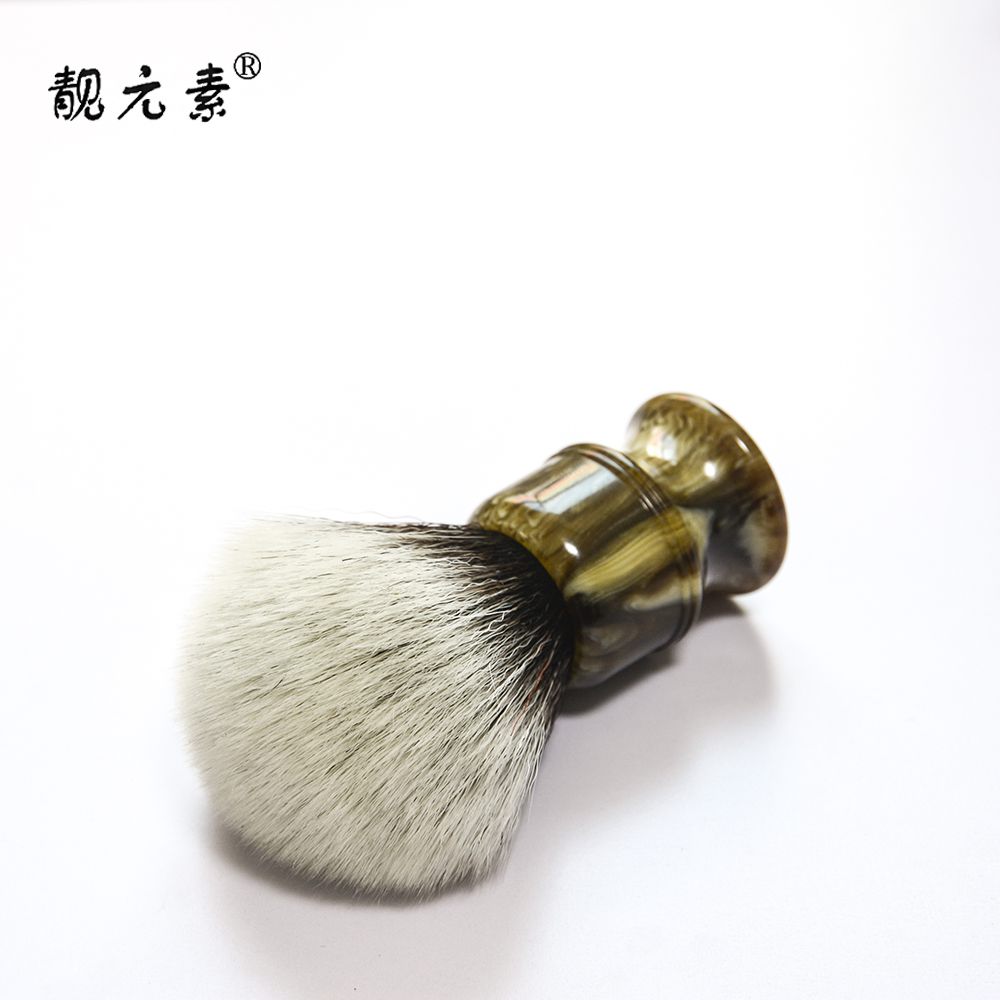
2. Elasticity Retention Test: Before and after heat exposure, we measure bristle flexibility using a force gauge. Bristles should retain at least 90% of their original elasticity; a drop below this indicates structural damage that will affect lathering ability.
3. Shedding Resistance Test: Brushes are agitated in hot water (50°C) with a standard shaving cream solution for 10 minutes, then rinsed. We count shed bristles—premium brushes should lose fewer than 2 bristles per test, ensuring minimal user irritation.
Natural vs. Synthetic Bristles: Heat Resistance Showdown
Testing reveals distinct differences between natural and synthetic materials. Natural badger hair, prized for its softness, shows moderate heat resistance but requires careful processing to stabilize proteins. Without treatment, it may lose up to 15% elasticity after 50 temperature cycles. Boar hair, coarser and more affordable, fares slightly better but remains prone to brittleness.
Synthetic bristles, however, offer engineered advantages. Our proprietary synthetic blend, for example, uses heat-resistant polymers (e.g., PBT or nylon 6.6) that retain 95% elasticity even after 100 temperature cycles. These fibers are also less likely to shed, with shedding rates as low as 0.5 bristles per test. For users who prioritize longevity with hot creams, synthetic brushes now rival natural options in performance while outperforming them in heat durability.
Implications for Manufacturers and Consumers
For manufacturers, investing in heat resistance testing is an investment in quality. By setting strict thresholds—such as requiring<5% bristle warping and >90% elasticity retention—brands can ensure products meet consumer expectations. Transparent testing data, shared in product descriptions or certification documents, also educates consumers, helping them make informed choices.
Consumers, meanwhile, should prioritize brushes labeled with heat resistance specifications. Look for terms like “tested for 50°C use” or “synthetic heat-stable bristles” to avoid premature degradation. Proper care—such as avoiding water temperatures above 60°C and air-drying brushes—can further extend lifespan, but starting with a heat-resistant brush is the first line of defense.
In the evolving landscape of men’s grooming, heat resistance has become a non-negotiable feature for shaving brushes. Through rigorous testing and material innovation, manufacturers can deliver tools that enhance the hot shaving experience while standing the test of time. For users, understanding these tests ensures they invest in a brush that performs reliably, shave after shave.


