

Raw Material Price Fluctuations Force Brush Makers to Optimize Supply Chain Layout
Raw Material Price Fluctuations Force Brush Makers to Optimize Supply Chain Layout
The global makeup brush and filament manufacturing industry is currently grappling with unprecedented raw material price volatility, a challenge that has pushed manufacturers to rethink and optimize their supply chain strategies. From nylon filaments—the backbone of synthetic brush bristles—to wooden handles and metal ferrules, key materials have seen erratic price swings over the past two years, driven by factors ranging from geopolitical tensions and energy cost spikes to supply chain disruptions and environmental regulations.
The root causes of these fluctuations are multifaceted. Nylon, derived from petroleum, has been particularly vulnerable to oil price volatility; in 2023 alone, global nylon filament prices surged by 18% due to OPEC+ production cuts and refinery bottlenecks. Natural materials like goat hair or squirrel hair, prized for high-end brushes, have faced supply shortages due to climate-related livestock issues and stricter animal welfare regulations in major sourcing regions like Mongolia and Canada. Meanwhile, plastic and wooden handle costs have risen with inflation and logistics delays, as shipping container rates and labor expenses in manufacturing hubs like Vietnam and China fluctuate unpredictably.
For brush makers, these price swings have direct consequences: squeezed profit margins, delayed production schedules, and difficulty meeting client demand. Small to medium enterprises (SMEs), which often lack the financial buffer of larger corporations, have been hit hardest, with some reporting a 25% drop in net profits since 2022. Even industry leaders are feeling the pressure, as clients—including beauty brands and retailers—resist price hikes, demanding stable costs and on-time deliveries.
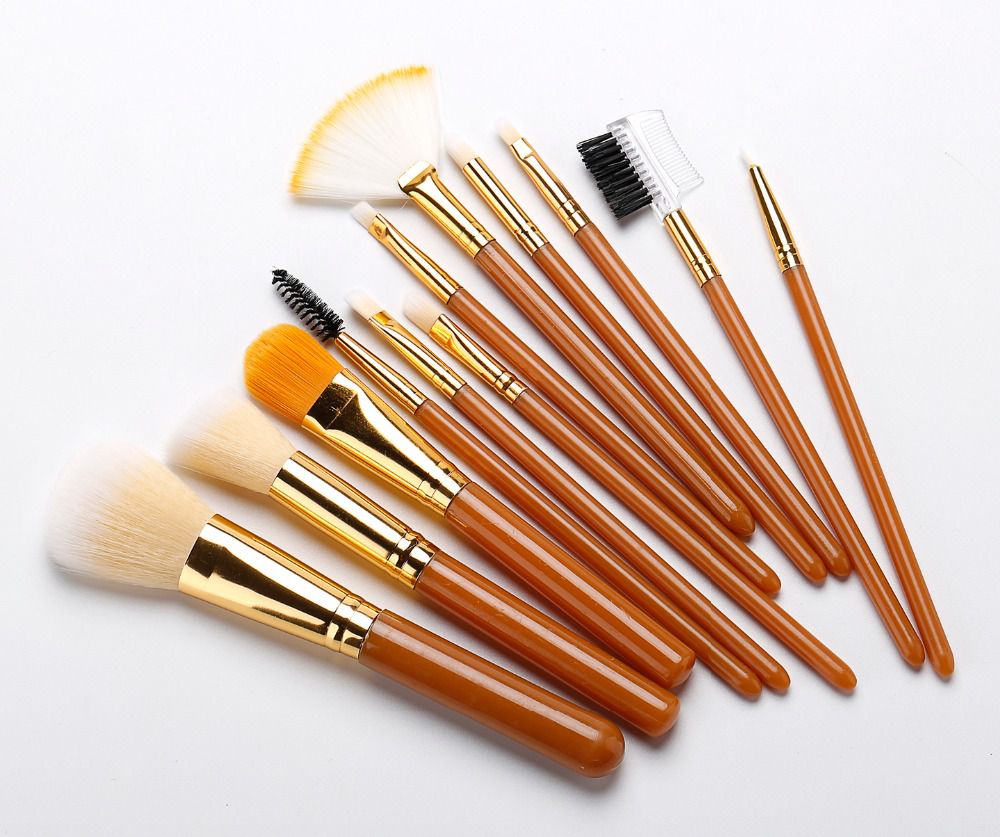
To navigate this uncertainty, manufacturers are prioritizing supply chain optimization as a strategic imperative. A key trend is supplier diversification. Instead of relying on a single region for raw materials, companies are expanding their sourcing networks. For example, a leading brush manufacturer based in China now sources nylon filaments from both Southeast Asia and Eastern Europe, reducing dependency on any single market and mitigating risks from regional conflicts or trade barriers.
Localization is another critical strategy. By shifting some sourcing closer to production facilities, manufacturers cut logistics costs and shorten lead times. A U.S.-based brush maker, for instance, recently partnered with a domestic wooden handle supplier, reducing shipping time from 45 days (from Asia) to 7 days and lowering carbon emissions—a move that also appeals to eco-conscious clients.
Long-term contracts and strategic partnerships are also gaining traction. Brush makers are locking in prices with key suppliers through multi-year agreements, often in exchange for volume commitments. This not only stabilizes costs but also ensures priority access to materials during shortages. One Italian manufacturer, for example, secured a 3-year contract with a German nylon producer, guaranteeing a fixed price for 60% of its filament needs.
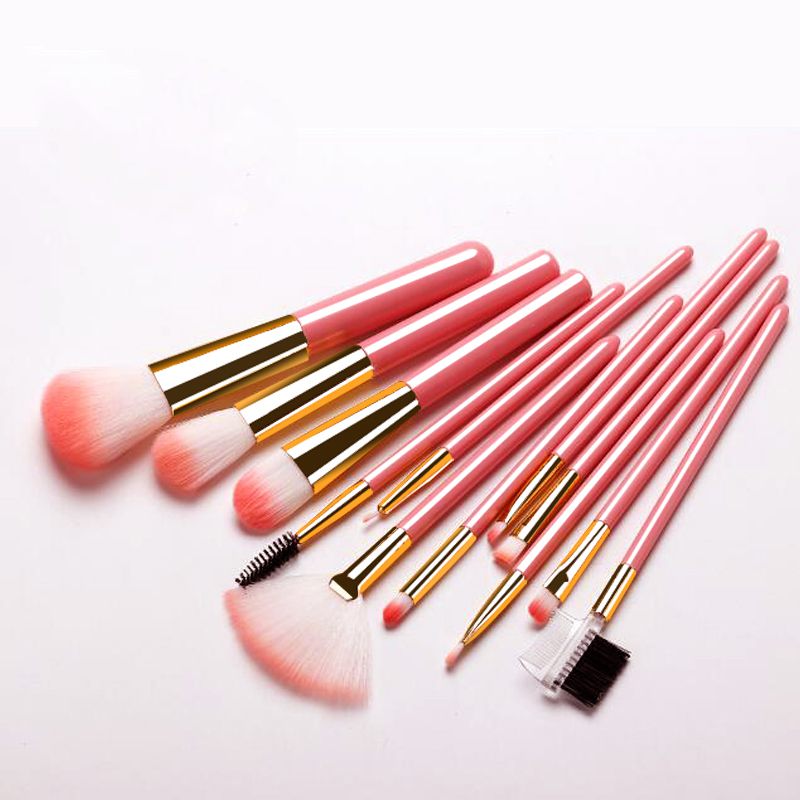
Innovation in material science is further reshaping supply chains. Faced with natural hair shortages, companies are investing in synthetic alternatives, such as bio-based filaments made from plant fibers or recycled plastics. These materials not only reduce reliance on volatile natural resources but also align with the beauty industry’s growing demand for sustainability, creating a competitive edge.
Digitalization is the final piece of the puzzle. Advanced analytics tools and AI-driven platforms are enabling manufacturers to monitor real-time raw material prices, predict market trends, and optimize inventory levels. A Japanese brush maker, for instance, uses machine learning algorithms to forecast nylon price fluctuations, allowing it to adjust采购计划 proactively and avoid last-minute cost spikes.
In conclusion, raw material price volatility is no longer a temporary challenge but a persistent reality for brush manufacturers. By diversifying suppliers, localizing sourcing, forging strategic partnerships, innovating materials, and embracing digitalization, these companies are building more resilient supply chains—one that not only mitigates costs but also positions them to thrive in an increasingly uncertain global market. The future of the industry will belong to those who can turn supply chain challenges into opportunities for efficiency and innovation.


