

Shaving Brush Market Competition: New Brands Challenging Established Players
Shaving Brush Market Competition: New Brands Challenging Established Players
The global shaving brush market, long dominated by heritage brands with decades of craftsmanship, is experiencing a seismic shift as new entrants disrupt the status quo. Established players like Mühle, Omega, and Edwin Jagger have historically held sway, leveraging their legacy of fine materials—such as premium badger hair, silvertip bristles, and hand-turned wooden handles—and a loyal customer base built on tradition. However, the rise of direct-to-consumer (DTC) models, evolving consumer preferences, and a focus on innovation are empowering emerging brands to carve out significant market share.
Newcomers are challenging incumbents on multiple fronts, starting with product differentiation. While traditional brands often lean into classic designs and natural hair bristles, newer players are embracing modern materials and sustainability. For instance, brands like EcoShave Co. have gained traction with brushes made from plant-based bristles (e.g., bamboo fiber or recycled polyester) and biodegradable handles, appealing to eco-conscious consumers—a demographic that now drives 60% of purchasing decisions in the personal care sector, according to a 2023 Nielsen report. Others, such as Artisan Shave Lab, focus on customization, offering 3D-printed handles in unique geometries and bristle density tailored to individual shaving habits, a feature rarely seen in legacy lines.
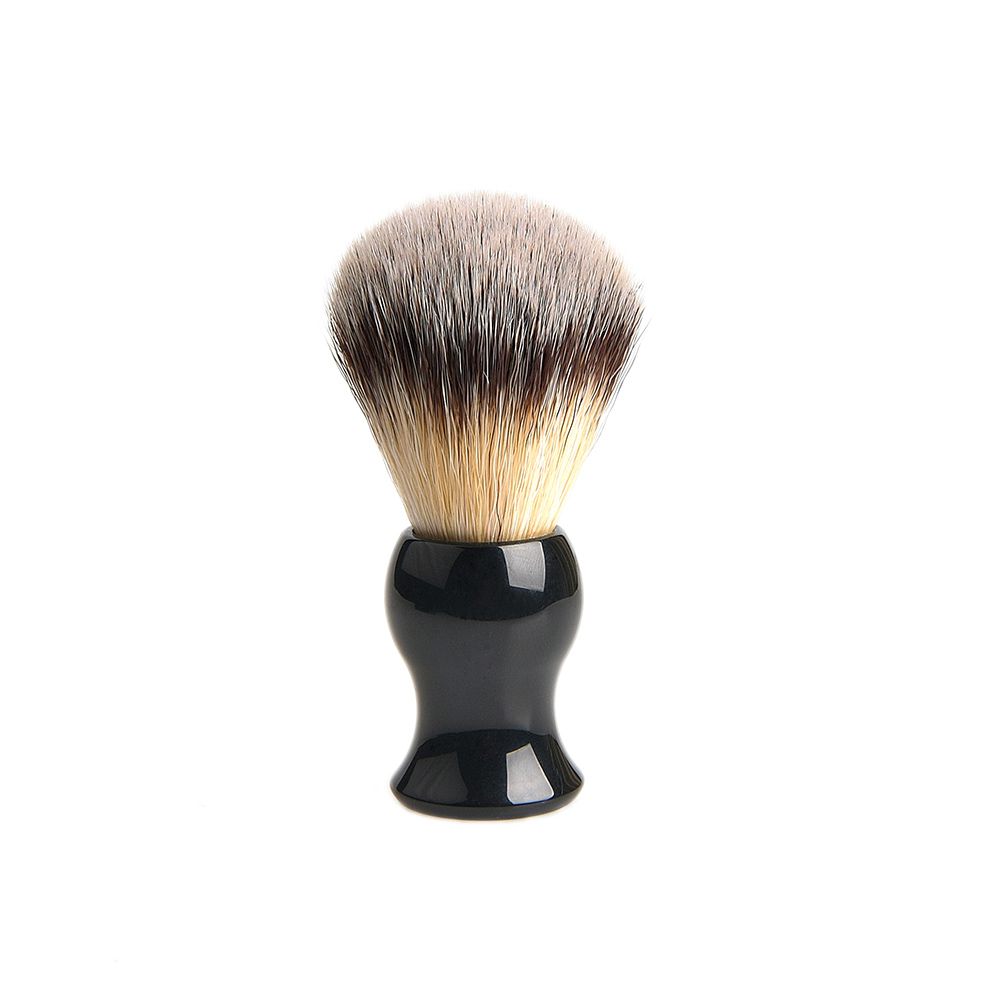
Pricing strategy is another battleground. Established brands, with higher production costs tied to artisanal manufacturing and premium materials, typically price brushes between $50–$200. New brands, however, leverage streamlined supply chains (e.g., sourcing directly from brush filament manufacturers) and digital-first operations to undercut this range, with entry-level models starting at $25–$60. This accessibility has opened the market to younger consumers—Gen Z and millennials—who prioritize value without sacrificing quality, a group traditional brands have historically struggled to engage.
Digital marketing has proven to be a game-changer for new entrants. Unlike legacy brands, which rely heavily on brick-and-mortar retailers and print advertising, emerging players thrive on social media platforms like Instagram and TikTok. They partner with micro-influencers to demonstrate product use, share user-generated (UGC) of customer shaves, and highlight behind-the-scenes manufacturing processes—tactics that build authenticity and trust. A 2024 survey by Statista found that 72% of consumers aged 18–34 discover grooming products through social media, a channel where established brands have been slow to adapt.
To counter these challenges, established players are fighting back. Mühle, for example, launched its “Modern Heritage” line in 2023, blending traditional badger hair with ergonomic, minimalist handles designed for younger users. Edwin Jagger has invested in e-commerce, offering virtual consultations to help customers choose brushes, while Omega expanded its sustainability efforts by introducing a line of brushes with FSC-certified wooden handles. These moves signal a recognition that innovation, not just tradition, is key to retaining relevance.
The competition is ultimately benefiting consumers, driving better quality, more diverse options, and greater transparency. As new brands push for sustainability and customization, and legacy players modernize their offerings, the shaving brush market is entering a new era of dynamism. For manufacturers, the message is clear: adapt or risk being left behind. The next few years will likely see further consolidation, with hybrid models—combining heritage craftsmanship with digital agility—emerging as the winning formula.


