

Beauty Industry Experts Predict Further Integration of Bristle Tech and Cosmetic Formulas
Beauty Industry Experts Predict Further Integration of Bristle Tech and Cosmetic Formulas
The beauty industry is undergoing a quiet revolution, and it’s happening at the intersection of two once-siloed areas: bristle technology and cosmetic formulas. As consumer demands for efficiency, sustainability, and personalized results rise, industry experts are increasingly pointing to deeper integration between makeup brush bristles and the products they apply as the next frontier of innovation.
For decades, bristle tech and cosmetic formulas evolved separately. Bristles focused on softness, durability, or cruelty-free materials, while formulas prioritized pigment payoff, texture, or skin-friendly ingredients. But today, that divide is blurring. “We’re no longer designing brushes in a vacuum,” says Elena Marquez, a cosmetic science consultant with 15 years of experience in product development. “A high-performance foundation isn’t just about the formula—it’s about how the brush’s bristles grip, distribute, and blend that formula into the skin. The two need to work as a system.”
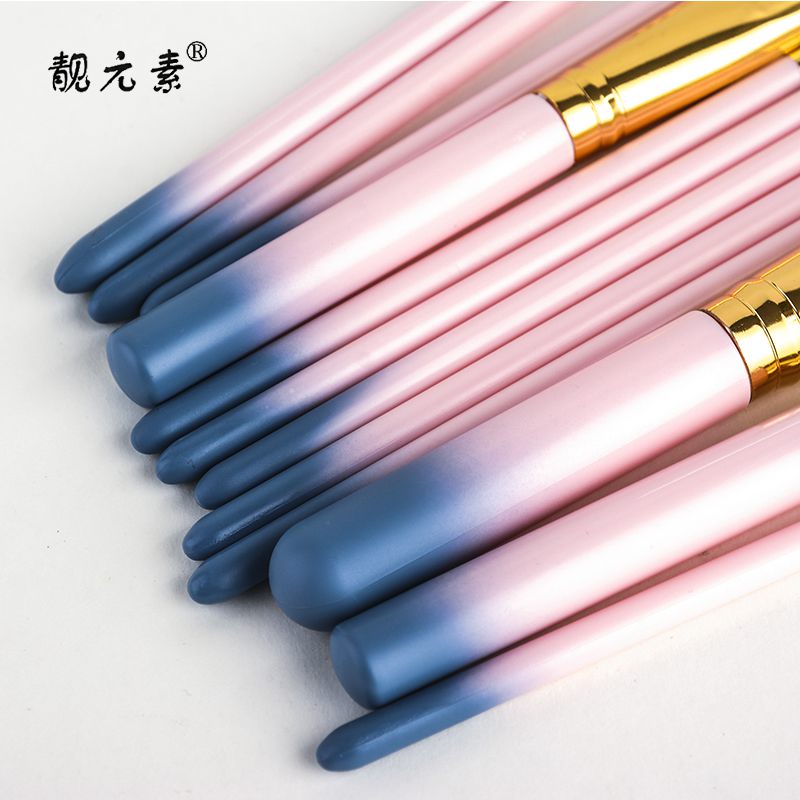
This shift is driven by advancements in both fields. On the bristle side, material science has unlocked new possibilities: synthetic fibers with micro-grooves that hold liquid formulas without absorption, biodegradable plant-based bristles with variable thickness for precise powder application, and even conductive bristles that interact with skincare-infused cosmetics to enhance ingredient delivery. Meanwhile, cosmetic formulas are becoming more complex—think ultra-fine powders, water-based serums, and hybrid textures that require specific bristle properties to perform optimally.
Take, for example, the rise of “skin-like” foundations. These formulas, designed to mimic natural skin texture, demand bristles that can lay down thin, even layers without streaking. Traditional dense synthetic brushes often lift too much product, while overly soft natural hair may not provide enough control. Enter engineered bristle blends: a mix of short, stiff fibers for initial product placement and longer, flexible fibers for seamless blending. “We tested 27 bristle configurations before landing on one that made our new hydrating foundation look ‘invisible’ on all skin types,” notes Raj Patel, R&D lead at a leading cosmetic brand.
Sustainability is another key driver. As brands commit to eco-friendly practices, the integration of biodegradable bristles (e.g., bamboo, cornstarch-based fibers) with waterless or refillable formulas is gaining traction. “A brush with compostable bristles paired with a powder formula in a metal tin reduces waste at both ends of the product lifecycle,” explains Mia Chen, sustainability director at a global beauty trade association. “Consumers are no longer choosing between performance and planet—they want both, and integration makes that possible.”
Experts predict the next wave will focus on personalization. With AI and 3D printing, brands could soon offer custom brushes tailored to individual skin types and formula preferences. Imagine a brush with bristle density calibrated for your oily T-zone or a shape optimized for blending your favorite cream blush. “The data is there—we just need to connect the dots between bristle specs and formula behavior,” says Marquez.
For manufacturers, this integration means closer collaboration across teams. “Our bristle engineers now sit in on formula development meetings,” says a spokesperson for a major brush producer. “We’re sharing data on how different fibers interact with silicones, oils, or pigments, and adjusting bristle design in real time.”
As this trend accelerates, the line between “brush” and “formula” will continue to fade. What emerges won’t just be better products—it will be a more intentional, consumer-centric approach to beauty, where every component works in harmony. For the industry, the message is clear: the future of beauty isn’t in isolated innovations, but in integration.


