

Natural Hair Brush Grooming Tools: Brushes for Maintaining Bristle Shape
Natural Hair Brush Grooming Tools: Essential Gear for Maintaining Bristle Shape
Natural hair brushes, prized for their superior performance and tactile quality, rely heavily on well-maintained bristles to deliver optimal results. Whether used for shaving, makeup, or grooming, the shape and integrity of natural bristles—often sourced from materials like badger, boar, or horsehair—directly impact functionality, from lathering efficiency to product distribution. Over time, however, bristles can become misshapen due to moisture, pressure, or improper storage, compromising both performance and longevity. This is where specialized grooming tools step in: designed to preserve bristle structure, these tools are indispensable for anyone looking to extend the life of their natural hair brushes.
First among these tools is the bristle comb, a foundational accessory for daily maintenance. Unlike regular combs, bristle combs feature widely spaced, rounded teeth that glide through natural bristles without causing breakage. For softer bristles like badger hair, a comb with finer, flexible teeth prevents snagging, while stiffer boar bristles may require a more robust comb with firmer teeth to detangle and realign. The key is to comb gently in the direction of the bristle growth, starting from the base and moving toward the tips, to restore shape without stressing the roots.
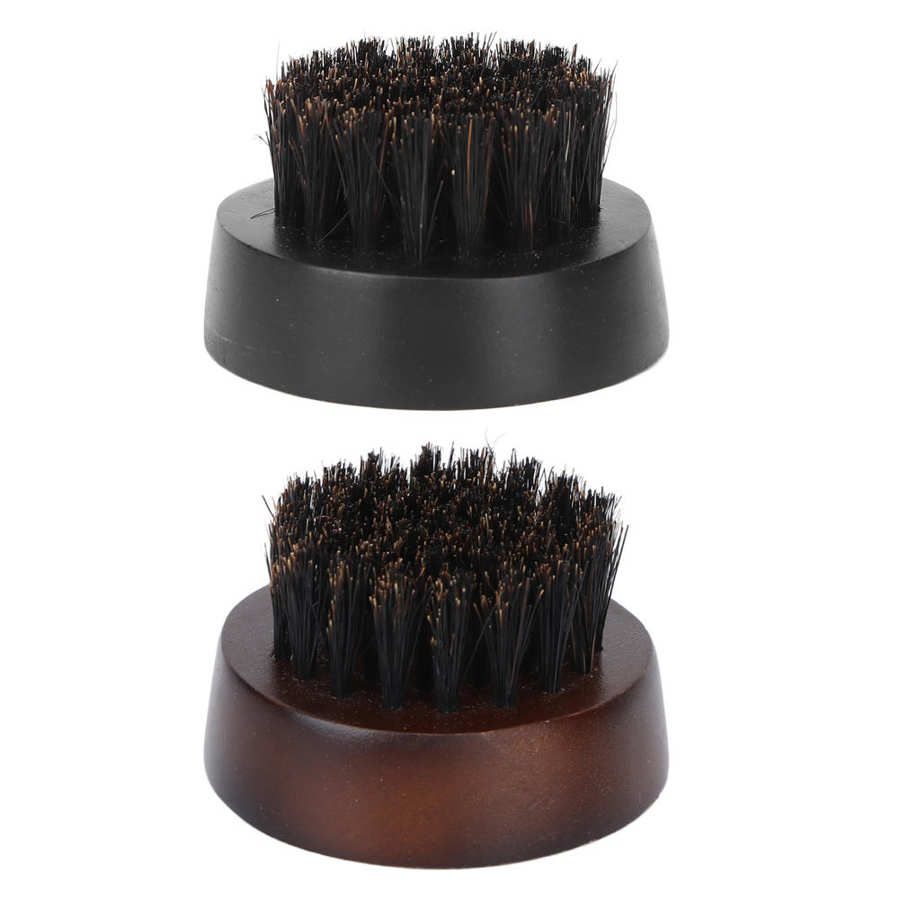
Next, setting sprays formulated for natural bristles play a critical role in locking in shape post-cleaning or styling. These sprays are typically water-based with mild conditioning agents, avoiding harsh chemicals that can dry out or damage natural fibers. When applied lightly after combing, they help maintain the bristle’s natural loft and prevent frizz, especially in humid environments. For shaving brushes, which often retain moisture after use, a quick spritz can accelerate drying while keeping bristles upright and evenly spaced.
Drying racks are another unsung hero in bristle shape maintenance. Allowing brushes to air-dry in an upright position—bristles facing downward—prevents water from seeping into the handle (which can loosen glue or warp wood) and ensures bristles dry straight. Racks with adjustable holders accommodate different brush sizes, from small travel brushes to large shaving brushes, and promote airflow around the bristles, reducing the risk of mildew or misshaping caused by prolonged dampness.
Lastly, specialized cleaning brushes, often made with soft nylon or natural fibers, help remove product buildup and debris that can weigh down bristles and distort their shape. Using a circular motion, these brushes gently dislodge residue from between bristles, ensuring they remain fluffy and responsive. For deep cleaning, pairing a cleaning brush with a mild, pH-balanced shampoo designed for natural hair brushes further enhances bristle health, as harsh soaps can strip natural oils and lead to brittleness.
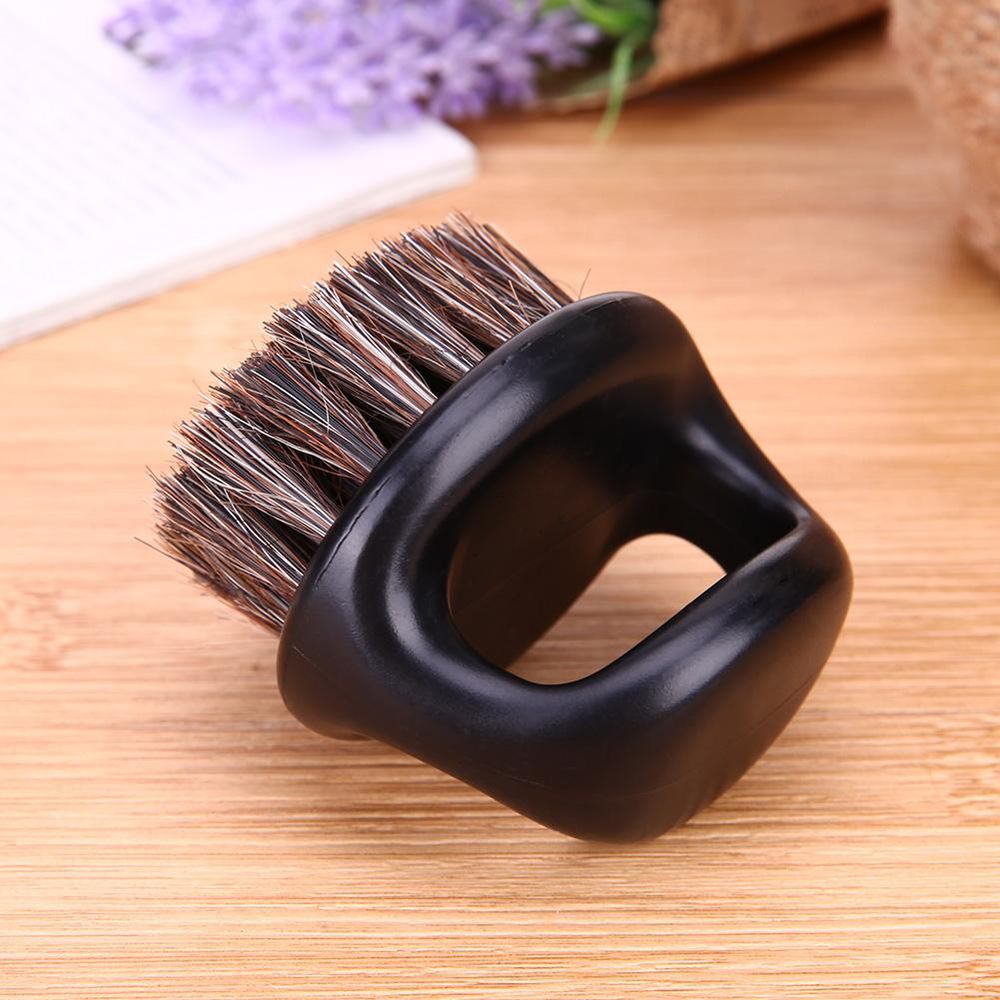
The effectiveness of these tools hinges on understanding the unique needs of different bristle types. Badger hair, known for its exceptional water retention and softness, is more prone to matting and requires extra care during combing and drying. Boar bristles, stiffer and more durable, still benefit from regular conditioning to prevent brittleness. Horsehair, with its natural elasticity, thrives with consistent airflow from drying racks to maintain its springy texture.
A common mistake is neglecting maintenance until bristles are already misshapen. Regular, gentle care—even after each use—prevents irreversible damage. Avoiding excessive heat (like blow-drying) and storing brushes in cramped spaces also preserves shape; a dedicated brush stand or drawer divider keeps bristles from being crushed.
By prioritizing these tools and practices, users not only extend the life of their natural hair brushes but also ensure they continue to deliver the superior performance that makes them a timeless grooming essential. From daily combing to proper drying, each step safeguards the bristle’s natural structure, making maintenance an investment in both functionality and sustainability.


