

Research on Electrospinning Technology for Ultra-Fine Cosmetic Brush Bristles
Electrospinning Technology: Pioneering Ultra-Fine Cosmetic Brush Bristles for Enhanced Beauty Experiences
The cosmetic brush industry is undergoing a quiet revolution, driven by the demand for higher precision, gentler application, and sustainable materials. At the heart of this transformation lies electrospinning technology, a cutting-edge method that is redefining how ultra-fine brush bristles are engineered.
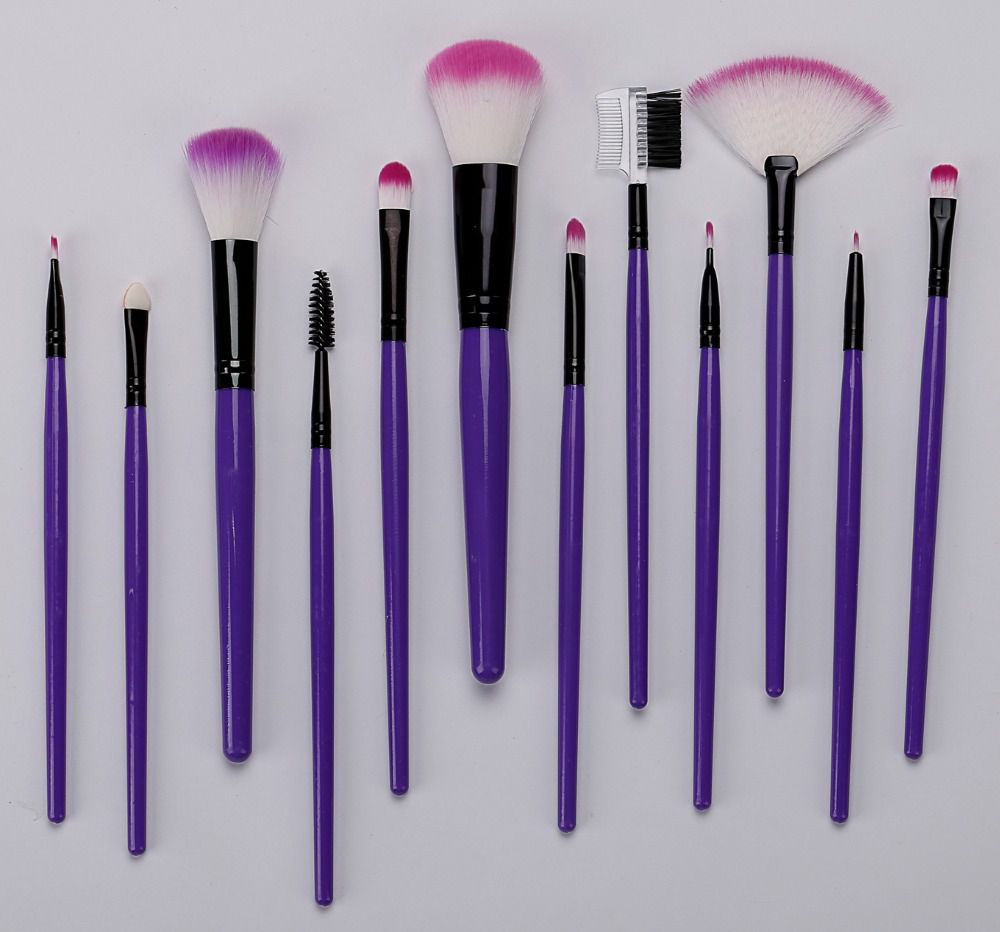
Electrospinning works by applying a high-voltage electric field to a polymer solution or melt, drawing it into ultra-thin fibers—often ranging from tens to hundreds of nanometers in diameter. Unlike traditional bristle production methods, which rely on extrusion or cutting, electrospinning creates fibers with exceptional uniformity, porosity, and surface area. For cosmetic brushes, these properties translate to tangible benefits: finer bristle tips reduce irritation on sensitive skin, increased surface area enhances powder adhesion and blending, and customizable fiber structures allow for tailored performance across products like foundation, eyeshadow, and blush.
Traditional brush bristles, whether synthetic (nylon, polyester) or natural (animal hair), face limitations. Synthetic fibers often lack the softness of natural hair, while natural hair raises ethical and sustainability concerns. Electrospun fibers bridge this gap. By selecting biocompatible polymers such as polyvinyl alcohol (PVA) or polylactic acid (PLA), manufacturers can create bristles that mimic the softness of natural hair while avoiding animal-derived materials. Moreover, the nano-scale diameter of electrospun fibers enables a "fluffy" texture that distributes product evenly, eliminating streaks or patchiness—a common complaint with conventional brushes.
Recent advancements in electrospinning have focused on scalability and durability, two critical barriers to commercialization. Early lab-scale processes were slow and costly, but innovations like multi-needle electrospinning and melt electrospinning (which uses polymers in solid form, reducing solvent waste) have increased production efficiency. For instance, a study published in the Journal of Cosmetic Science demonstrated that melt-electrospun PLA fibers could be produced at a rate of 500 meters per minute, making mass production feasible. Additionally, post-treatment techniques, such as cross-linking, have improved bristle strength, ensuring they withstand repeated use and washing without fraying.
The consumer demand for premium, sustainable beauty tools further fuels the adoption of electrospun bristles. A 2023 market report by Grand View Research noted that 68% of beauty consumers prioritize "clean" or eco-friendly products, and 52% are willing to pay a premium for innovative tools that enhance application. Electrospinning aligns with these trends: PLA-based fibers are biodegradable, reducing plastic waste, while the precision of the technology minimizes material usage compared to traditional cutting methods.
Challenges remain, however. The high initial investment in electrospinning equipment and the need for specialized expertise in polymer science can deter smaller manufacturers. Additionally, ensuring consistent fiber quality across large batches requires tight process control—factors like voltage, polymer concentration, and ambient humidity must be meticulously monitored. Yet, as technology matures and economies of scale kick in, these barriers are gradually lowering.
Looking ahead, electrospinning is poised to become a cornerstone of high-end cosmetic brush production. Beyond bristle fineness, researchers are exploring functionalized fibers—incorporating ingredients like hyaluronic acid or antibacterial agents directly into the bristles to add skincare benefits. Imagine a foundation brush that not only blends makeup flawlessly but also hydrates the skin as it applies.
In conclusion, electrospinning technology is not just a manufacturing innovation; it is reshaping the beauty experience by merging performance, sustainability, and comfort. As brands and consumers alike seek tools that deliver both results and responsibility, ultra-fine electrospun bristles are set to become the new gold standard in cosmetic brushes.


