

Study on Hydrophilic Modification of Bristle Surfaces for Cream Products
Hydrophilic Modification of Bristle Surfaces: Advancing Cream Product Application in Cosmetics
Cream-based cosmetics, such as foundations, moisturizers, and blushes, have become staples in daily beauty routines, demanding high-performance makeup brushes that ensure smooth, even application. However, traditional bristle materials—often synthetic (e.g., nylon) or natural (e.g., goat hair)—exhibit inherent hydrophobicity, leading to challenges like uneven cream adhesion, product waste, and difficulty in cleaning. To address these issues, hydrophilic modification of bristle surfaces has emerged as a critical area of research, aiming to optimize bristle-cream interaction and elevate user experience.
Hydrophilicity, defined by a material’s ability to attract and retain water, is key for bristle performance with cream products, which typically contain water, oils, and emulsifiers. Unmodified bristles, with their low surface energy, repel water-based components in creams, causing the product to clump or slide off the brush rather than adhering uniformly. This results in patchy application, increased product usage, and residue buildup that harbors bacteria over time.
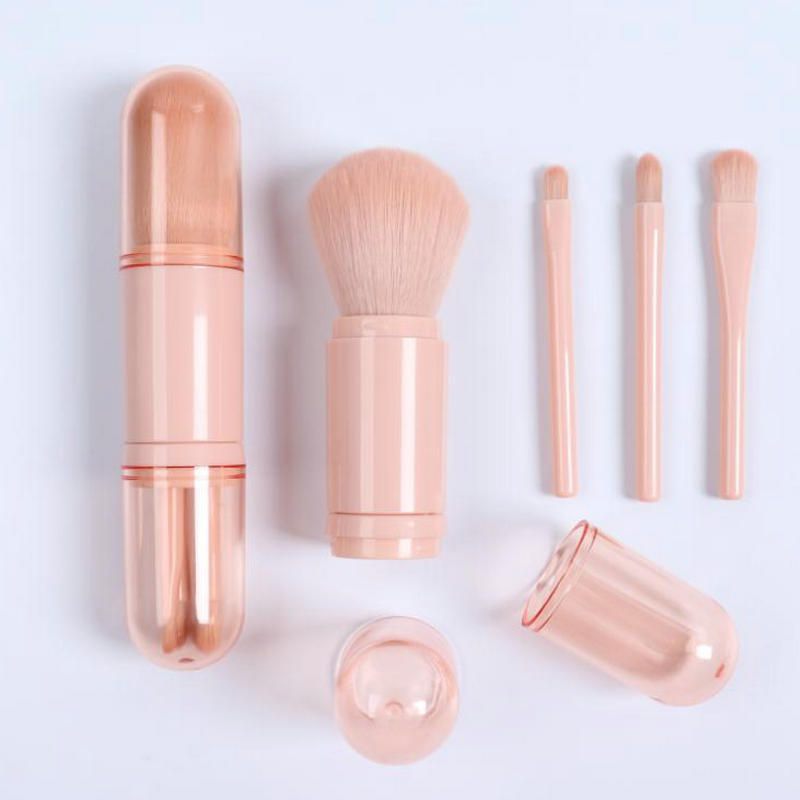
Recent studies have explored various hydrophilic modification techniques, each targeting surface chemistry or topography to enhance water affinity. Plasma treatment stands out as a widely adopted method: by exposing bristle surfaces to ionized gas (e.g., oxygen or nitrogen plasma), reactive groups like hydroxyl (-OH) and carboxyl (-COOH) are introduced. These polar groups increase surface energy, reducing the contact angle between the bristle and cream—from over 90° (hydrophobic) to below 30° (highly hydrophilic) in lab tests. This allows creams to spread evenly across bristle fibers, ensuring consistent pickup and release during application.
Another promising approach is nanocoating, where thin layers of hydrophilic polymers (e.g., polyvinyl alcohol or chitosan) are deposited onto bristle surfaces via dip-coating or electrospinning. These coatings not only introduce hydrophilic functional groups but also create micro/nano-scale roughness, further enhancing cream adhesion through capillary action. For instance, a 2023 study published in Cosmetic Science and Technology demonstrated that chitosan-coated nylon bristles retained 30% more cream than uncoated counterparts, with 25% less residue post-application.
Chemical grafting, involving covalent bonding of hydrophilic monomers (e.g., acrylic acid) to bristle surfaces, offers long-term stability. Unlike plasma treatment, which may degrade over repeated use, grafted polymers form durable bonds, maintaining hydrophilicity through multiple washes. This is particularly valuable for cosmetic brushes, which require frequent cleaning to prevent product buildup and contamination.
The benefits of hydrophilic modified bristles extend beyond application quality. Reduced product waste aligns with sustainability trends, as consumers and brands increasingly prioritize eco-friendly practices. Additionally, easier cleaning—due to decreased residue adhesion—extends brush lifespan, lowering replacement costs for users. For manufacturers, these modifications can differentiate products in a competitive market, appealing to both professional makeup artists and everyday consumers seeking high-efficiency tools.
Looking ahead, research is shifting toward multifunctional modifications, combining hydrophilicity with properties like antimicrobial resistance or static reduction. For example, integrating silver nanops into hydrophilic coatings could inhibit bacterial growth, addressing hygiene concerns. Moreover, bio-based hydrophilic materials, such as cellulose derivatives, are being explored to align with the cosmetic industry’s push for green chemistry.
In conclusion, hydrophilic modification of bristle surfaces represents a significant advancement in cosmetic brush technology, directly addressing the challenges of cream product application. By enhancing bristle-cream compatibility, these techniques improve usability, sustainability, and product performance—key factors driving innovation in the global cosmetics market. As research continues to refine methods and expand functionalities, hydrophilic modified bristles are poised to become the new standard for premium makeup tools.


