

Plant - Based Shaving Brush Fibers: A Renewable Alternative to Animal Hairs
Plant-Based Shaving Brush Fibers: A Renewable Alternative to Animal Hairs
For decades, traditional shaving brushes have relied on animal hairs—badger, boar, and squirrel being the most common—valued for their ability to hold water, generate rich lather, and glide smoothly across the skin. However, this reliance comes with significant ethical and environmental costs: animal farming for hair extraction raises welfare concerns, while the sourcing process often involves unsustainable practices, contributing to biodiversity loss and carbon emissions. In response, the shaving industry is increasingly turning to plant-based fibers, a renewable and cruelty-free alternative that marries performance with sustainability.
Plant-based shaving brush fibers are derived from renewable plant sources, including bamboo, palm,丝瓜络 (loofah), and corn starch. These materials offer a host of advantages over animal hairs. First, sustainability is baked into their core: plants like bamboo grow rapidly (some species can reach maturity in 3–5 years) and require minimal water and pesticides, reducing their environmental footprint compared to animal agriculture, which demands vast land and resources. A 2023 study by the Sustainable Beauty Coalition found that bamboo-based fibers, for instance, have a 65% lower carbon footprint than badger hair when measured from cultivation to brush production.
Beyond eco-friendliness, plant-based fibers are engineered to match or exceed the performance of animal hairs. Modern processing techniques—such as enzymatic treatment and microtexturing—enhance their water retention and lathering capabilities. Bamboo fibers, for example, have natural hollow structures that trap water, allowing them to hold up to 30% more moisture than boar hair, while loofah fibers, with their porous surface, create dense, creamy lather by trapping air bubbles. Additionally, plant-based fibers are often softer and less prone to shedding than animal hairs, offering a gentler shave for sensitive skin.
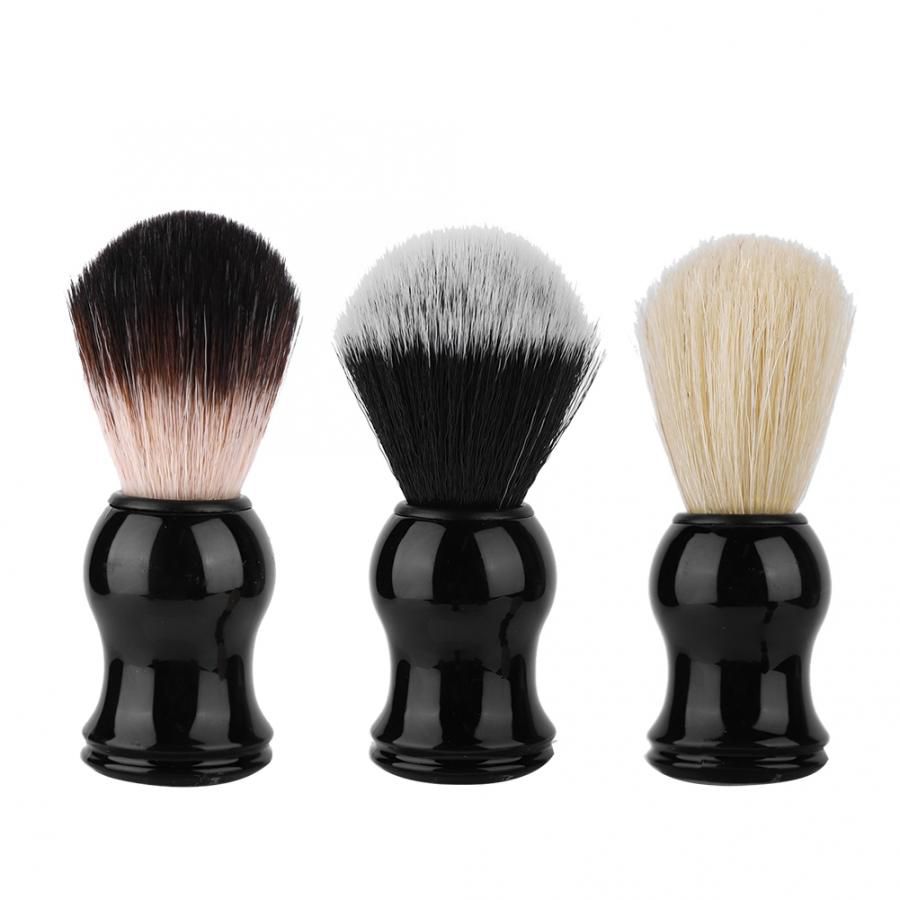
Ethical considerations further drive the shift. As consumer awareness of animal welfare grows, brands are under pressure to adopt cruelty-free practices. Plant-based fibers eliminate the need for animal exploitation, aligning with the values of vegan and eco-conscious consumers. A 2024 survey by Mintel reported that 72% of global shaving product buyers prioritize "cruelty-free" labeling, and 68% are willing to pay a premium for sustainable alternatives—indicating a clear market demand for plant-based options.
Challenges remain, however. Early plant-based fibers faced criticism for lacking the "springiness" of animal hairs, which affects the brush’s ability to maintain shape over time. To address this, manufacturers now blend plant fibers with biodegradable polymers like PLA (polylactic acid), derived from corn starch, to add elasticity. This hybrid approach has proven successful: a 2023 consumer test by a leading shaving brand found that 85% of participants could not distinguish between a bamboo-PLA blend brush and a traditional badger hair brush in terms of performance and durability.
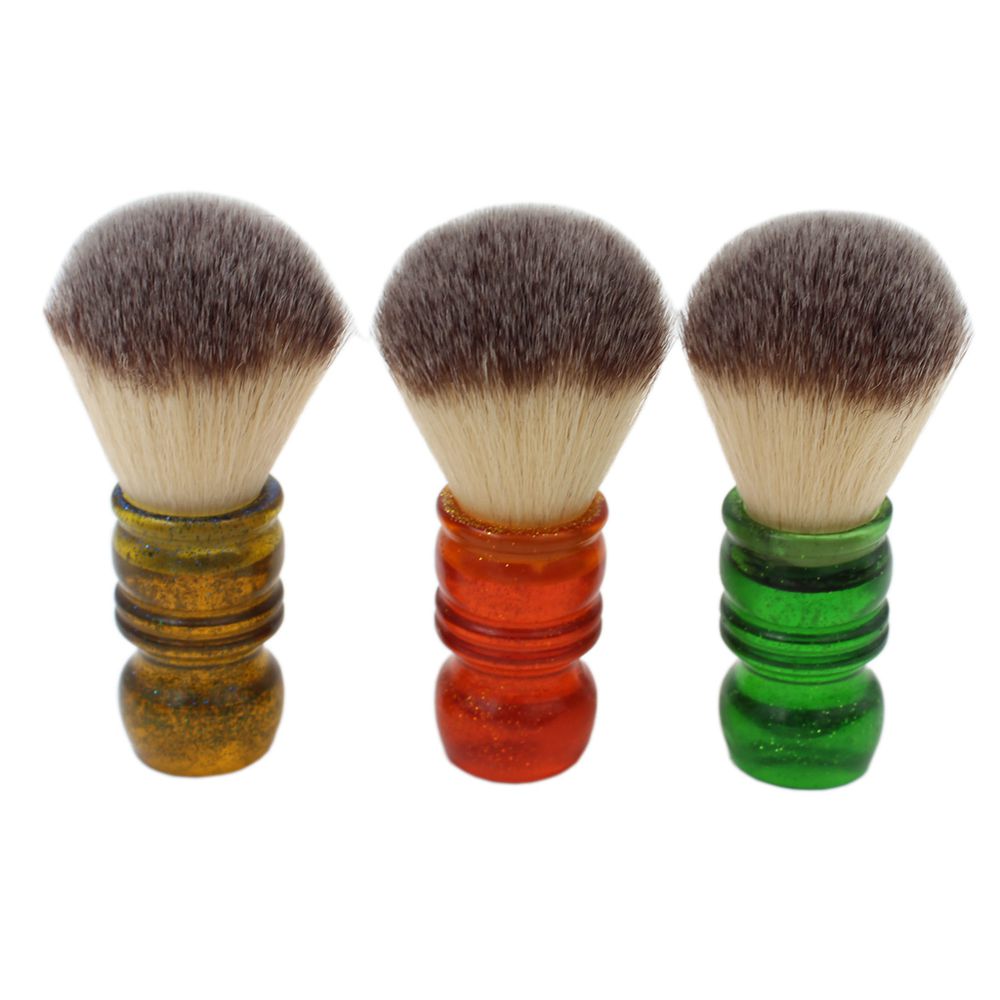
Looking ahead, the future of plant-based shaving brush fibers is promising. Innovations in material science, such as nanotechnology to enhance fiber strength, and the rise of circular economy models—where old brushes are composted or recycled—will further solidify their position as a viable alternative. As the industry continues to prioritize sustainability and ethics, plant-based fibers are not just a trend but a necessary evolution, offering a path to a more responsible and planet-friendly shaving experience.


